

A sticky break-room counter, overflowing restroom trash, and fingerprints on a front door can change how people feel about your business before the workday is even underway. The question, “how often should office be cleaned,” is really about more than appearance. It is about creating a space where employees can focus, visitors feel welcome, and day-to-day operations do not get slowed down by mess.
There is no one-size-fits-all answer. A quiet professional office with a small team has different needs than a busy real estate office, medical-adjacent practice, retail back office, or customer-facing facility in Atlantic or Cape May County. The right schedule depends on traffic, the kind of work you do, the layout of your space, and the standard you want every person who walks in to experience.
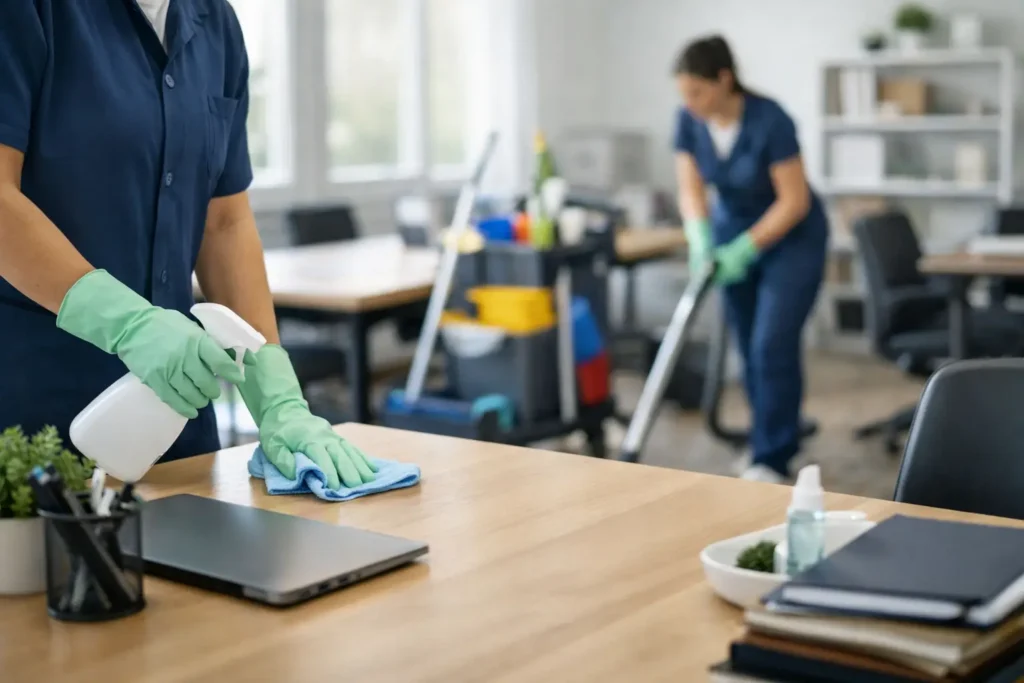
For most offices, basic cleaning should happen daily, while a more detailed service is needed weekly. High-touch areas, restrooms, break rooms, and entrances usually need the most attention because they collect germs, food debris, moisture, and visible dirt quickly.
A practical starting point is daily cleaning for offices with regular employee and customer traffic. This keeps restrooms sanitary, trash under control, and shared spaces ready for the next day. Smaller offices with only a few employees may do well with professional cleaning two or three times per week, provided the team keeps up with small tasks between visits.
Weekly service can be enough for a low-traffic office that is closed much of the week or used mainly for administrative work. Still, waiting a full week to clean a restroom or break room is rarely a good fit if people use those spaces every day. The schedule should follow the way your office is actually used, not just the square footage on the lease.
Some parts of an office can wait. Others cannot. A conference room used once a week will not need the same attention as the lobby, kitchenette, or employee restroom.
Restrooms should be checked and cleaned daily in most workplaces. Toilets, sinks, faucets, handles, dispensers, and floors all receive frequent use. A clean restroom signals that your business pays attention to details. A neglected one is hard for staff and visitors to overlook.
Break rooms also deserve daily attention. Food crumbs, spills, coffee grounds, and full trash cans can attract odors and pests if they sit too long. Wiping counters, disinfecting shared surfaces, cleaning sinks, and removing trash daily makes a noticeable difference.
Front doors, glass panels, reception counters, elevator buttons, light switches, and shared equipment are the first places people see and touch. In a customer-facing office, these surfaces may need attention every day, sometimes more than once during busy periods.
Seasonal weather matters here, too. Rain, sand, salt, and slush can be tracked into South Jersey offices quickly. During wet weather or a busy summer season near the shore, entryways may need vacuuming or mopping more often to protect floors and prevent slip hazards.
Individual desks are personal workspaces, so cleaning frequency can vary. Some companies ask employees to clear their desks at the end of each day so surfaces can be wiped down during regular service. Others schedule detailed desk cleaning weekly and leave daily tidying to each employee.
The key is setting clear expectations. Cleaning crews can clean more thoroughly when papers, personal items, and confidential materials are organized or put away. That small habit protects privacy and helps keep the office looking polished.
For many local businesses, this schedule provides a dependable baseline:
This is a starting point, not a rulebook. A small accounting office may need three evening cleanings per week. A busy sales office with client meetings all day may need daily service plus extra attention to the lobby and restrooms. A facility with staff working multiple shifts may need cleaning at a time that does not interrupt productivity.
The clearest signs are usually visible before anyone says a word. Trash fills up before pickup, floors look dull by midweek, restroom supplies run out, or the break room has a lingering smell. You may also notice employees spending time wiping counters, taking out garbage, or hunting for supplies instead of handling their actual responsibilities.
Customer feedback can be another clue. Visitors may not directly complain about dusty blinds or smudged glass, but they notice the overall feeling of a space. Cleanliness shapes confidence, especially for offices where clients are making financial, legal, health-related, or service decisions.
Health concerns can also change the schedule. During cold and flu season, or when illness is moving through the office, increasing the cleaning of high-touch surfaces can support a more comfortable workplace. Professional cleaning is not a substitute for good personal hygiene, but it is a valuable part of a healthier work environment.
Daily cleaning offers the most consistent presentation and is often the best choice for busy offices, customer-facing businesses, and larger teams. It keeps shared areas under control without asking employees to manage the mess. The trade-off is cost, although daily service can prevent the need for frequent catch-up cleaning and help protect flooring and furnishings over time.
Weekly cleaning is budget-friendly for offices with low foot traffic, few employees, and limited public visits. It works best when staff are willing to empty small trash bins, wipe spills right away, and keep food areas reasonably tidy between appointments.
Monthly service alone is usually best reserved for deep cleaning, not regular office upkeep. It can refresh carpets, detail overlooked areas, and remove buildup, but it will not keep a frequently used office looking fresh week after week. Think of monthly cleaning as support for your routine, not the entire routine.
Floors take the hardest hit in almost every office. They collect dirt from shoes, coffee drips, crumbs, salt, and outdoor moisture. Regular vacuuming and mopping keep the space presentable, but periodic professional carpet cleaning is what helps remove embedded soil and refresh the fibers.
The right carpet-cleaning frequency depends on traffic. A small office may need it once or twice a year. An office with heavy foot traffic, pets, frequent visitors, or a location near the beach may benefit from more frequent service. Waiting until carpets look visibly stained often means the dirt has already settled in.
The best cleaning plan is one your business can rely on. It should match your hours, budget, traffic patterns, and the areas that matter most to employees and visitors. A flexible plan may include daily restroom and common-area care, weekly detail work, and seasonal deep cleaning when your office needs a reset.
MopFrog Atlantic City helps local businesses create cleaning schedules that feel manageable rather than one more task to coordinate. Whether your office needs recurring evening cleaning, a periodic deep clean, or carpet care before a busy season, the goal is the same: a space that looks cared for every time someone walks through the door.
A clean office should not be something you have to think about all day. When the schedule fits the way your team works, you can focus on the people, customers, and work that keep your business moving.

Ut elit tellus, luctus nec ullamcorper mattis, pulvina.