

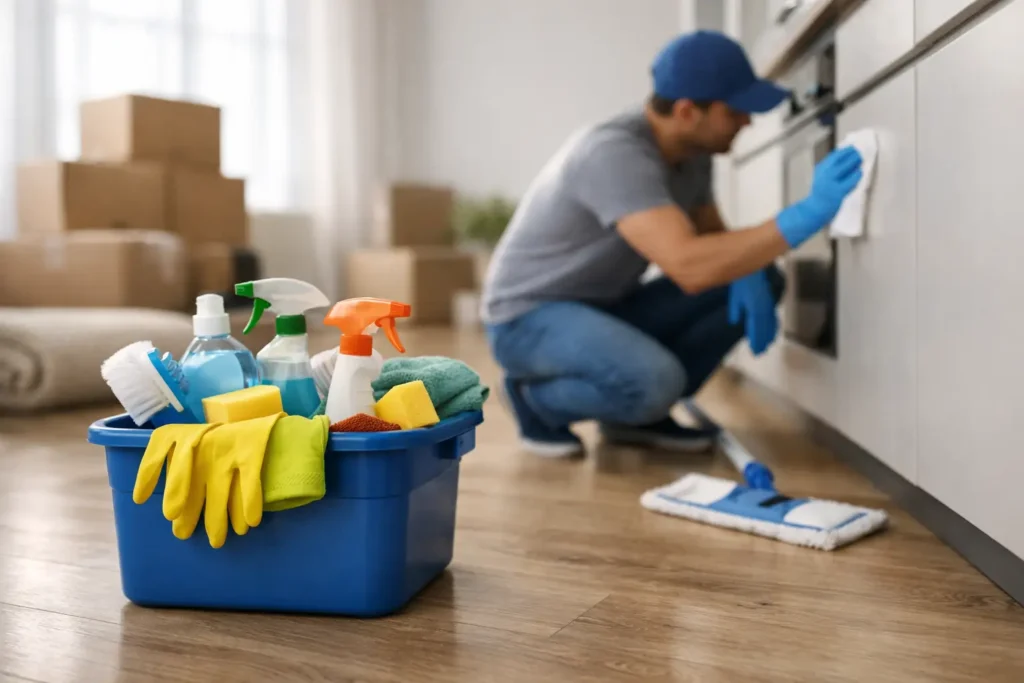
The keys are almost ready to hand over, the boxes are stacked by the door, and then you notice the grease behind the stove. That is exactly when security deposit cleaning becomes more than a quick wipe-down. A clean, well-documented home can help renters in Atlantic and Cape May Counties leave on a better note and reduce avoidable questions during the final walkthrough.
A move-out clean is not about making an older home look brand new. Normal wear happens. It is about returning the space in the clean condition your lease reasonably requires, while making sure the details that often get missed are handled before the inspection.
Most tenants clean the obvious areas first: floors, counters, bathrooms, and visible dust. Those matter, but a landlord or property manager usually looks beyond the center of the room. They may open appliances, check baseboards, look inside cabinets, and notice residue in bathrooms or grime around doors.
A thorough security deposit cleaning focuses on the full space, including the areas that have collected dirt over months or years of everyday living. In a kitchen, that often means cleaning inside the refrigerator, oven, microwave, drawers, cabinets, and pantry shelves. It also means removing grease from the stovetop, backsplash, hood, and the narrow spaces where crumbs tend to settle.
Bathrooms deserve the same level of attention. Soap film on glass doors, mineral buildup around faucets, hair in drains, and dust on exhaust vents can make an otherwise clean bathroom look neglected. The goal is a fresh, sanitary appearance, not a rushed surface clean that leaves buildup behind.
Throughout the home, plan to address baseboards, window sills, light switches, door frames, closet shelves, ceiling fans, vents, blinds, and interior doors. Vacuuming alone may not be enough for carpeted rooms, especially when there are visible spots, pet odors, or high-traffic paths.
Before buying supplies or booking help, read your lease and any move-out instructions from your landlord or property manager. Some properties have specific expectations for carpet cleaning, appliance cleaning, trash removal, or returning keys and parking passes. Others require notice before a final inspection.
This is also the moment to separate cleaning from repairs. Removing dust, grease, and ordinary marks is cleaning. A broken blind, missing smoke detector, damaged screen, large wall hole, or stained carpet may require repair or replacement. Cleaning can improve the appearance of many surfaces, but it cannot erase every issue caused by damage.
Take dated photos and short videos before you begin, after each room is cleaned, and again once the property is empty. Capture the inside of appliances, cabinets, closets, bathrooms, floors, and any areas that were already worn when you moved in. Keep copies of your move-in photos, cleaning receipts, and written communication about the walkthrough. Good records can be just as useful as a clean home if questions come up later.
Not every detail carries the same weight. A faint scuff on an older wall may be ordinary wear, while a dirty oven or overflowing trash bin signals that the home was not fully prepared for the next resident. Focus your time where cleaners and inspectors often see the biggest difference.
Appliances can be the toughest part of a move-out clean because heat and time turn small spills into stubborn buildup. Start with the oven early so a suitable cleaner has time to work. Remove racks if possible, wipe the door glass, clean the stovetop and knobs, and check the drawer beneath the oven. Do not forget the refrigerator shelves, crisper drawers, seals, and the floor beneath or beside the appliance if it is accessible.
Empty every cabinet and drawer, then wipe both the interior and exterior. Even a clean-looking kitchen can lose its fresh feel when cabinet corners hold crumbs or handles are sticky.
South Jersey rentals often deal with hard-water marks that build slowly around faucets, shower fixtures, and glass. Use products that fit the surface, and avoid aggressive scrubbing on delicate finishes. Test an inconspicuous spot when you are unsure.
Clean toilets thoroughly, including the base and the area behind them. Wipe vanity drawers and medicine cabinets, polish mirrors, and check for hair and residue around drains. Fresh towels do not matter at move-out, but a clean, dry bathroom does.
Floors show daily life quickly. Sweep and mop hard surfaces after the home is empty so furniture is not hiding dust, pet hair, or scuffs. For carpet, vacuum slowly in more than one direction and treat spots according to the carpet manufacturer’s guidance.
Professional carpet cleaning can be worth considering when there are deep stains, lingering odors, or a lease requirement. It depends on the carpet’s condition and the property manager’s expectations. Avoid soaking carpet with rental machines or harsh products at the last minute, since moisture can create odor issues if it does not dry properly.
If you have pets, look carefully along baseboards, under furniture, near litter boxes, and around doorways. Pet hair and odor are easy to become used to while living in a space, but they are noticeable to the next person walking in.
Use a gentle approach with walls. Light marks may lift with a damp microfiber cloth, but hard rubbing can remove paint or create a shiny patch that needs repainting. Remove nails, hooks, adhesive strips, and personal items only if your lease calls for it. Do not patch or paint unless you know the property manager’s preferred process.
Check closets, utility areas, balconies, sheds, and any storage locker included with the rental. These spaces are often packed last and overlooked during the final clean. Empty all trash, remove food, and make sure nothing is left in drawers, behind doors, or on high shelves.
Move-out week is rarely calm. You may be coordinating movers, changing addresses, starting a new job, managing children, or traveling between homes. A professional clean can make sense when time is short, the property needs deep cleaning, or you simply want a reliable second set of hands before inspection.
For a larger home, a rental with heavy kitchen buildup, or carpet that needs extra attention, professional service can be more efficient than trying to solve everything in one late-night push. It also gives property managers and rental hosts a clean, guest-ready or tenant-ready space sooner.
MopFrog Atlantic City provides move-in and move-out deep cleaning for renters, homeowners, and property managers across Atlantic and Cape May Counties. The focus is straightforward: careful work, flexible scheduling, and results you can see when the rooms are empty. If carpet cleaning is needed, it can be planned as part of getting the property ready for its next chapter.
Trying to clean everything after the moving truck leaves is a common mistake. The home is easier to clean in stages. A few days before the move, clear out cabinets, use up food, and begin on appliances and storage areas. The day before, finish bathrooms, wipe walls where needed, and remove nails or hooks according to your lease instructions.
Once furniture and boxes are out, clean from the top down: fans and shelves first, then counters and fixtures, then floors last. Walk through each room with your phone camera and the property checklist. Open every drawer and closet one final time. This simple pause catches an impressive number of forgotten items.
Leave enough time for a final vacuum, trash removal, and a last look at the entryway. The first few steps into a home shape the whole impression, so clean glass, clear floors, and a fresh-smelling entrance go a long way.
A security deposit is money worth protecting, but the bigger benefit is leaving without a lingering cleaning project behind you. Give yourself time, document your work, and get help when the job is bigger than your schedule. A clean handoff lets you focus on settling into the next place with a true fresh start.

Ut elit tellus, luctus nec ullamcorper mattis, pulvina.